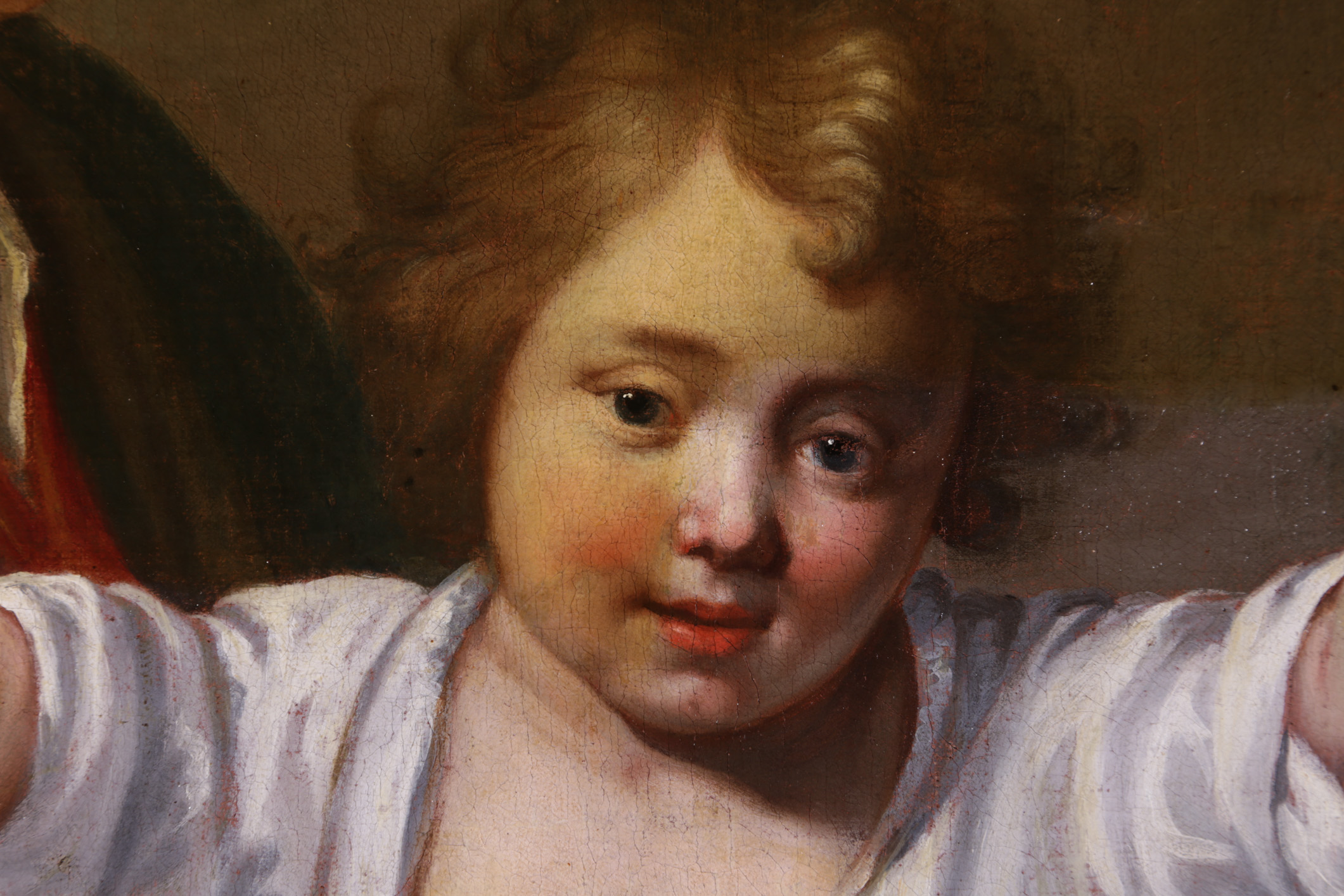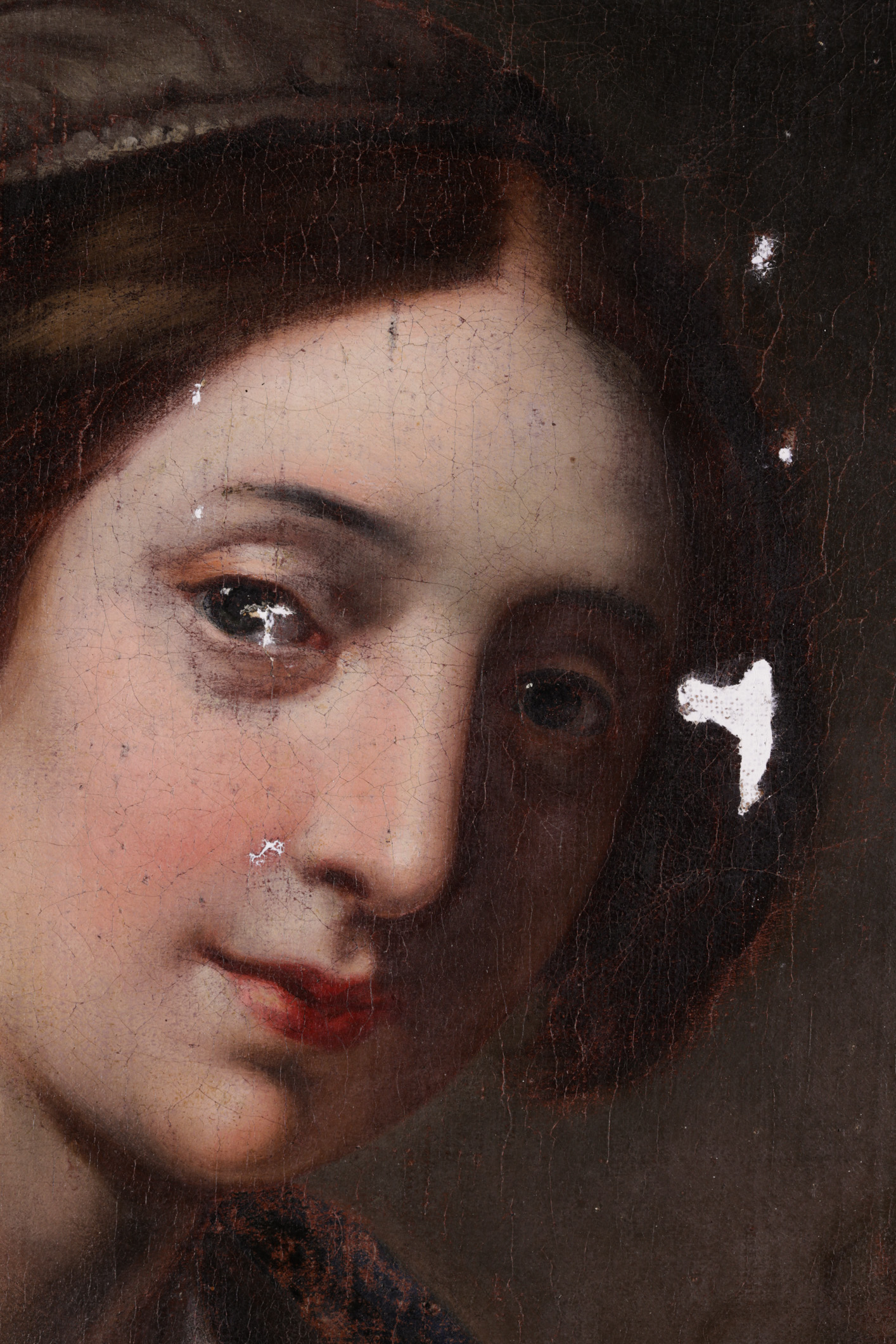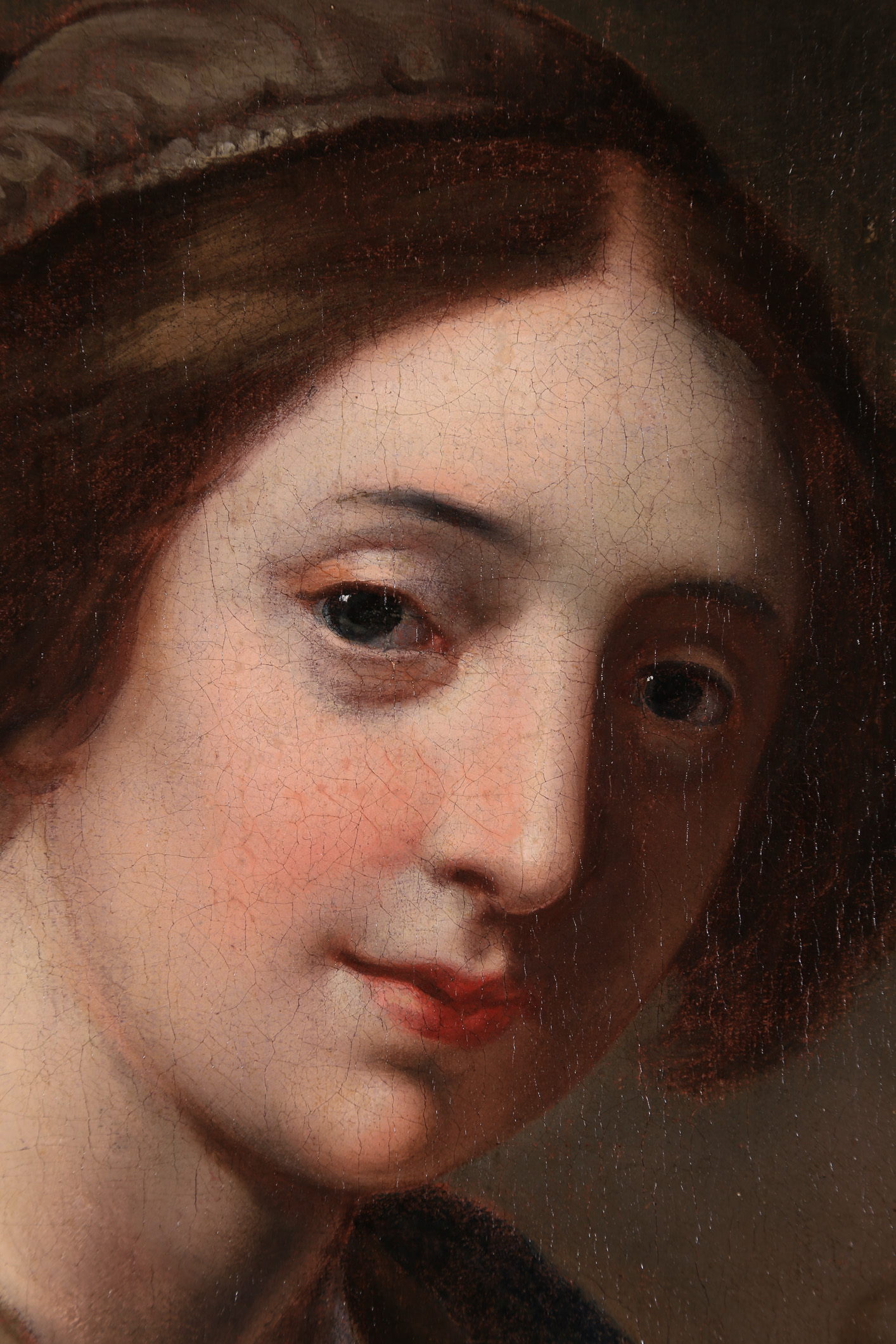
Madonna


Technique: Oil painting on canvas
Dimensions: 77 cm x 64 cm
Date: Early 17th century
Condition of the Artwork Before Restoration
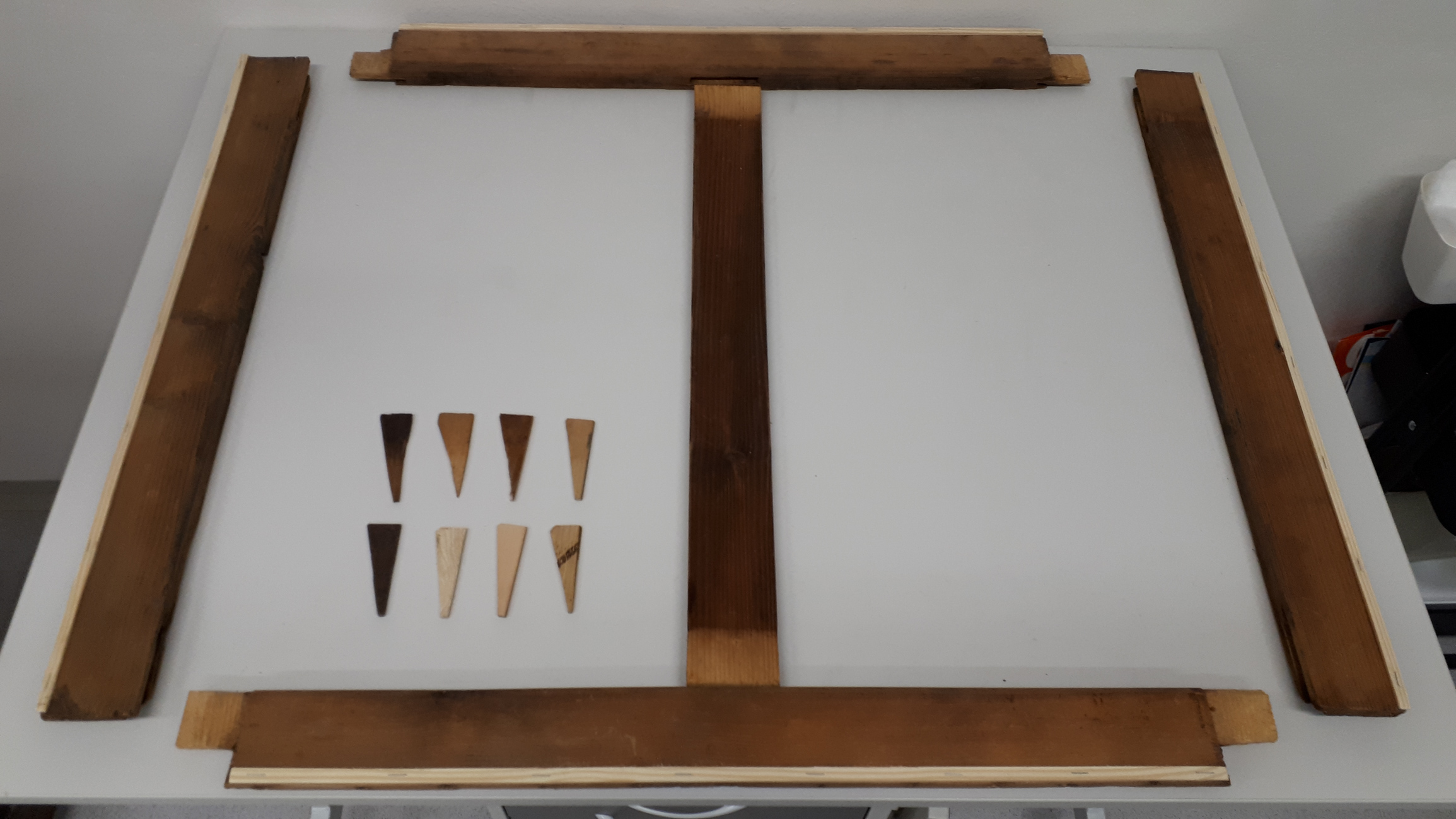
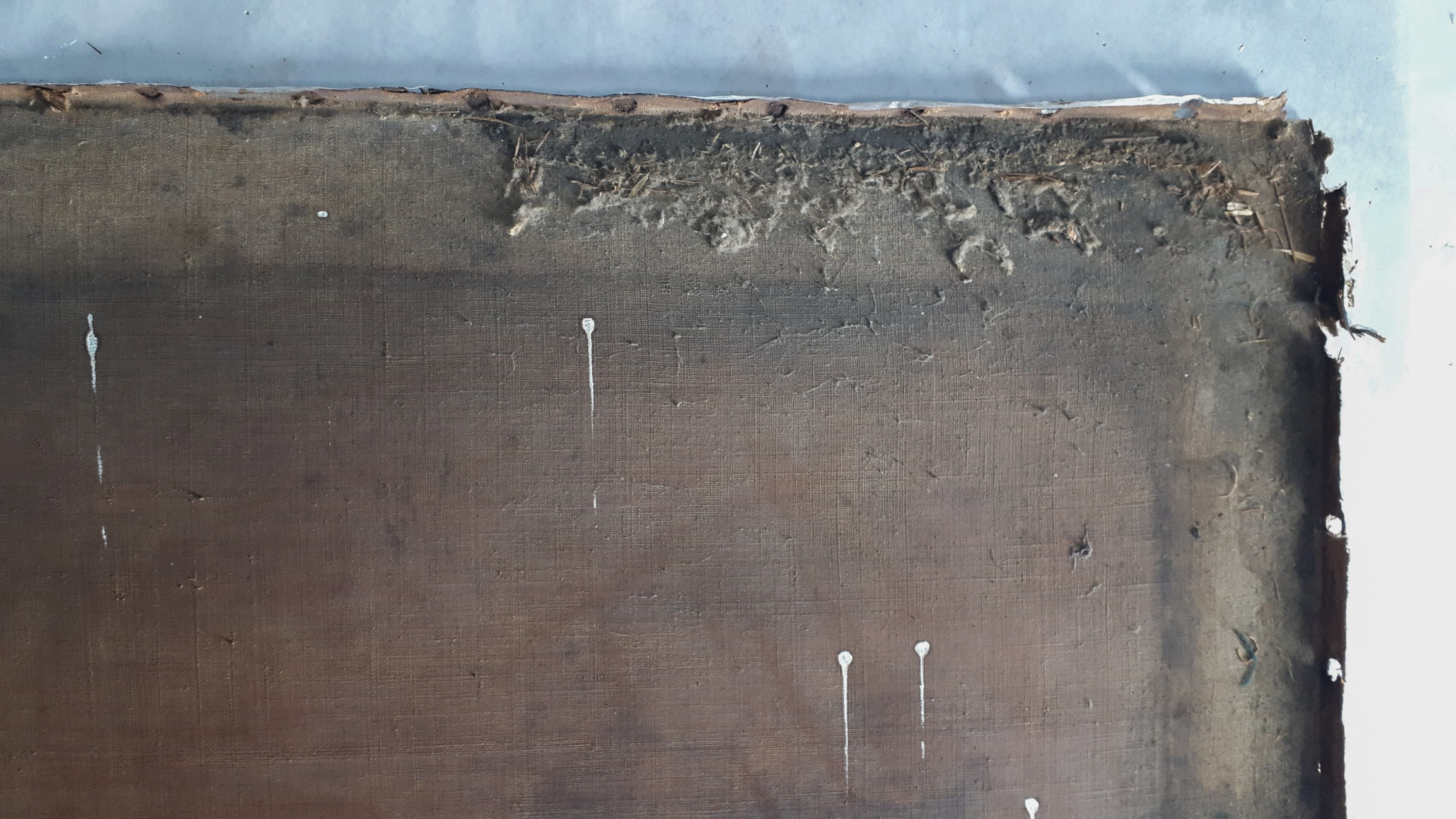
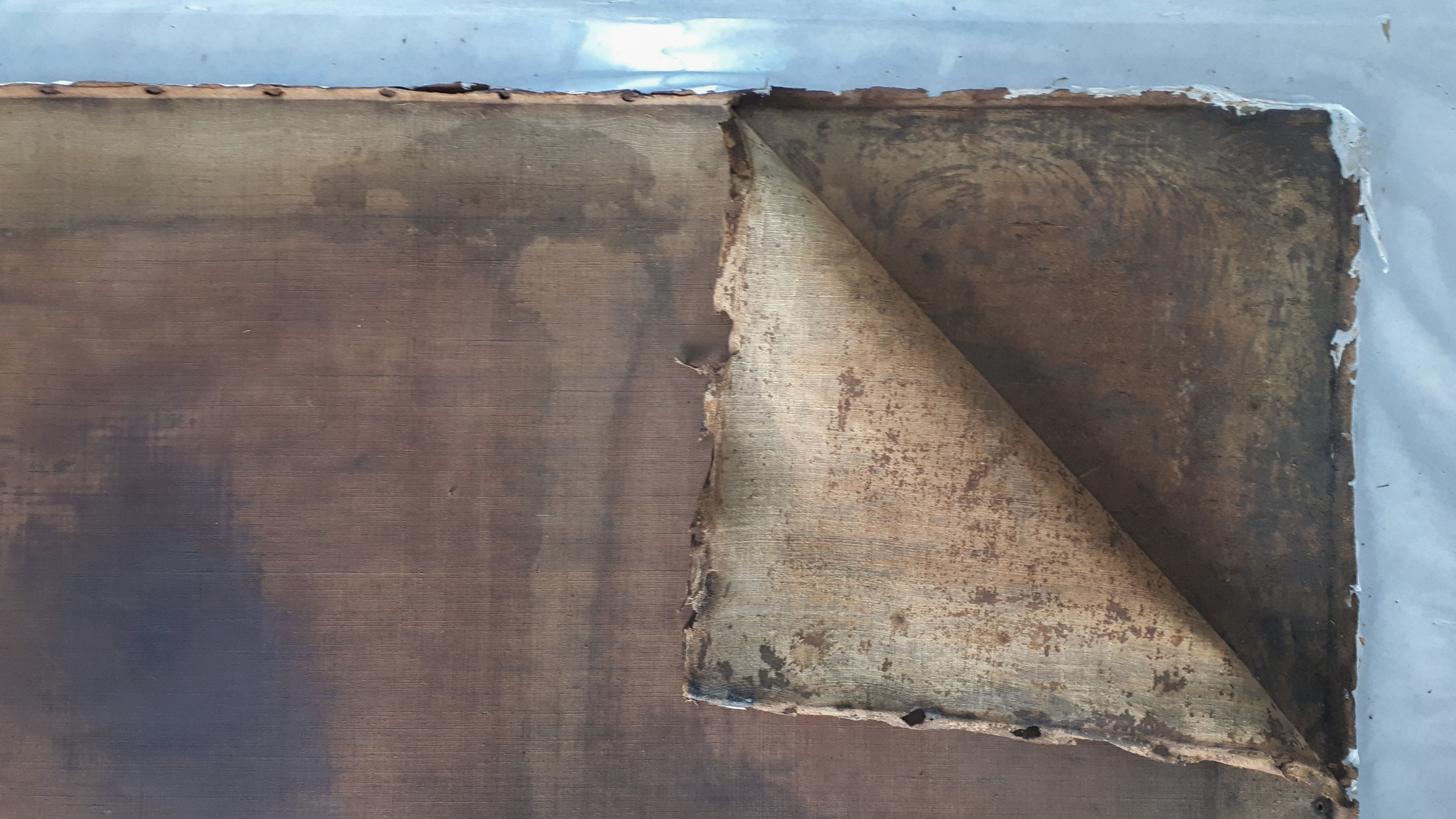
The reverse of the canvas has previously been reinforced, likely using a wax-resin adhesive. Along the edges, degraded paper adhesive tape covers the canvas and indicates separation of the original fabric from the reinforcement. The original canvas is brittle and fragile, with areas of loss, cracking, and looseness. The painting is mounted on a rectangular stretcher frame with wedges. The reverse is covered by a thick layer of surface dirt.
Wax stains and drips are visible in the upper part of the painting, while white paint streaks are present in the lower section. The decorative frame is of recent date; its removal reveals significant deformation of the stretcher frame.
The paint layer exhibits cracking and localized lifting, with small areas of paint loss. Under UV illumination, localized retouching is visible beneath a degraded and yellowed varnish, which alters the original color balance. Along the edges of the painting, previously covered by the decorative frame, fewer varnish layers are present, producing a distinct bluish fluorescence under UV light.
The surface also exhibits stains, flyspecks, and other deposits. Both the front and reverse of the painting are covered by a layer of surface grime.
Condition of the Artwork After Restoration
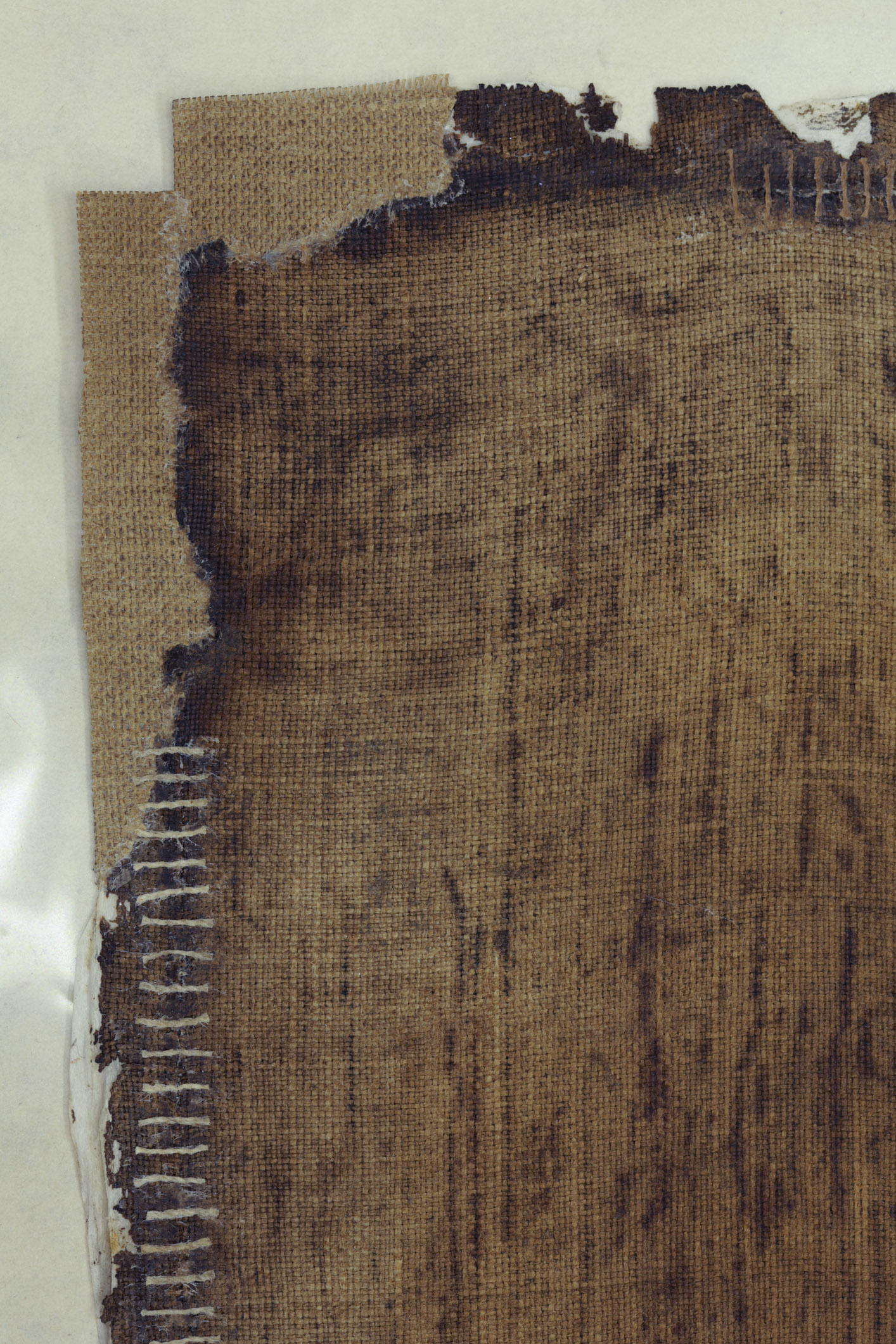
The reverse showed significant surface dirt, and the old lining canvas was found to be detaching at the edges and no longer serving its purpose. It was therefore removed and replaced. Tears in the support were mended and missing sections of canvas replaced using artificially aged linen matching the weave and density of the original, secured with an adhesive powder. The reinforced areas were further secured with patches of natural silk. The reverse was then prepared and impregnated with a synthetic conservation adhesive. A new lining canvas, pre-washed and pressed, was prepared and the painting was consolidated and lined using a vacuum hot table.
Solubility tests were carried out to determine the appropriate solvent mixture for the degraded varnish layers, and the varnish was progressively thinned. At least two varnish layers with differing fluorescence were identified. Beneath the upper, yellowed varnish, a second layer with a bluish fluorescence and waxy content was revealed. This layer had previously been selectively tinted to visually unify old overpaint in the corners with the original blue drapery, giving the drapery an unintended greenish tone.
Examination revealed that the painting, though mounted on a rectangular stretcher, had originally been conceived and painted as an oval composition, with the corners beyond the painted area, historically concealed beneath a decorative frame. At a later date, the work was fitted with a different, rectangular decorative frame, and the corners, originally left at the ground layer only, were overpainted. An architectural niche was added framing the Madonna and Child above, and blue drapery and background were added below. The whole painting was then coated with a tinted varnish for visual unification. However, as this varnish layer was found to compromise the original colour and visual effect, it was removed or locally thinned. The overpaint in the upper corners was nonetheless retained, in order to avoid a significant change to the painting’s current appearance, given its present rectangular frame.
Following varnish thinning and removal of unsuitable overpaint and retouching, the painting was isolated with a varnish layer. Losses in the paint layer were filled with a chalk-glue putty and locally isolated. The painting was then re-stretched onto a cleaned and adjusted stretcher fitted with spacer strips. Retouching was carried out in watercolour, followed by a further isolating layer and final retouching in reversible resin colours. A final varnish layer was applied by spray, in two coats.
The decorative frame was cleaned of surface dirt and dust. A protective velvet strip was applied to the frame’s rabbet, and the painting was fitted into the frame.