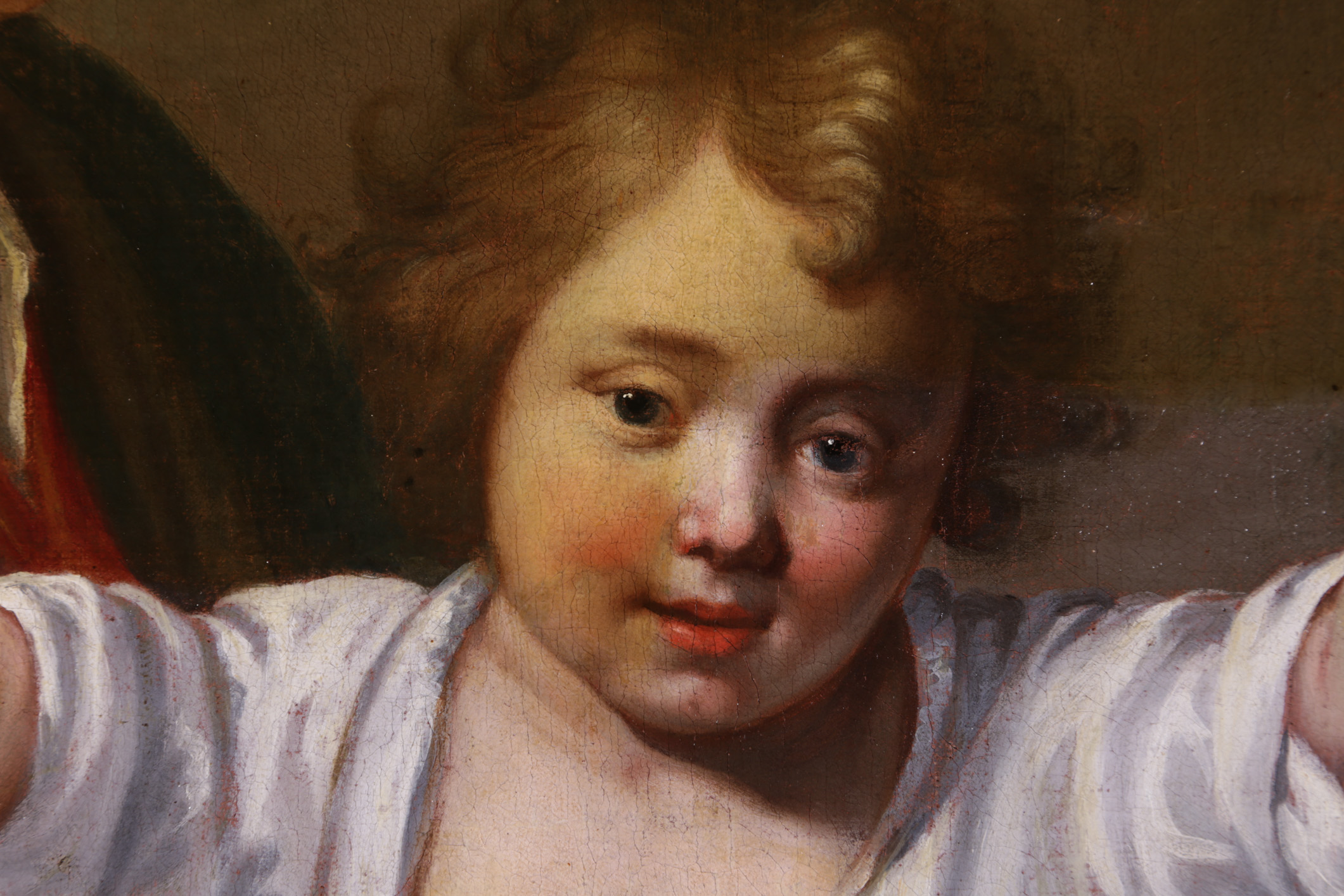
Madonna


Technika: olejomalba na plátně
Rozměry: 77 cm x 64 cm
Datace: Early 17th century
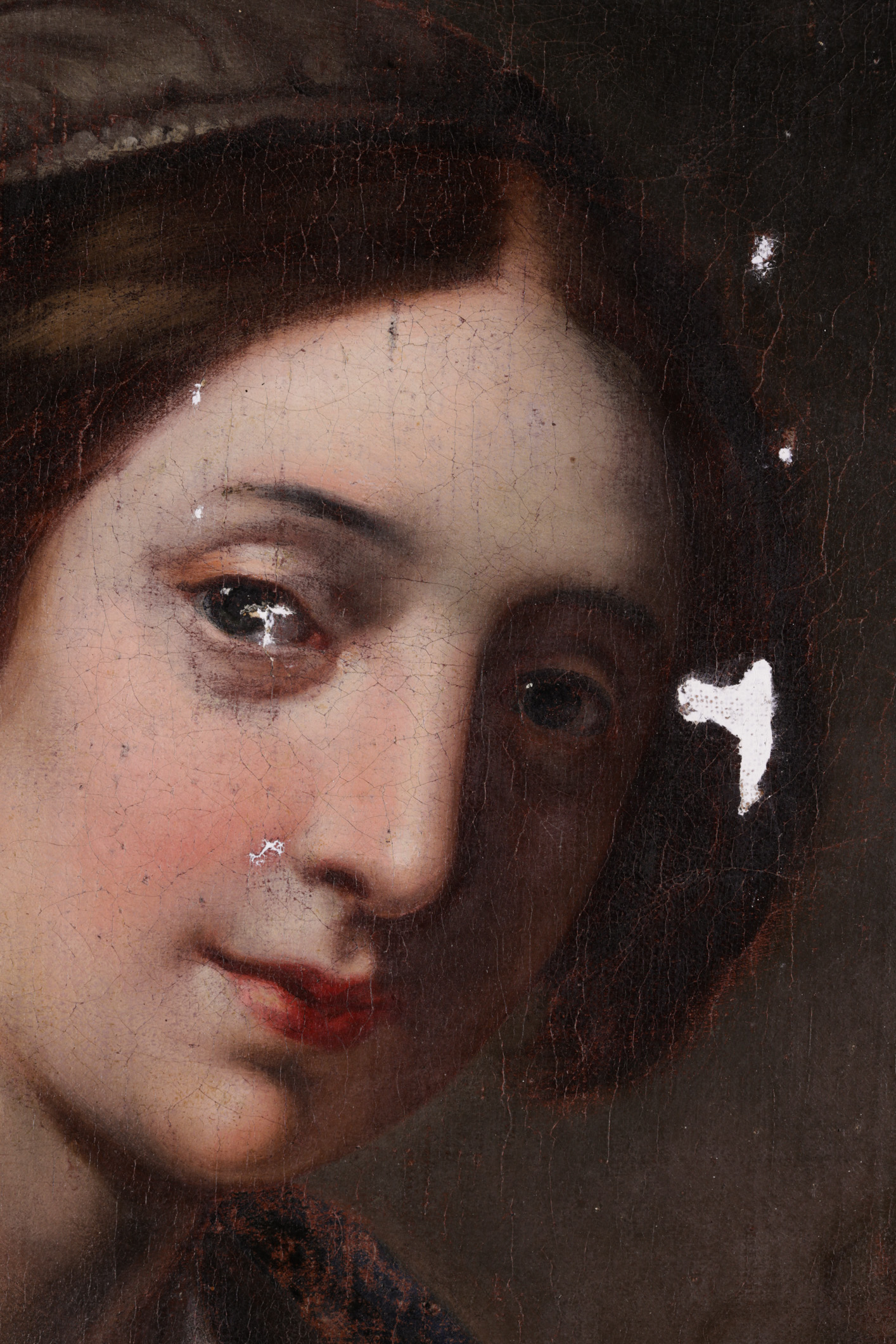
Stav díla před restaurováním
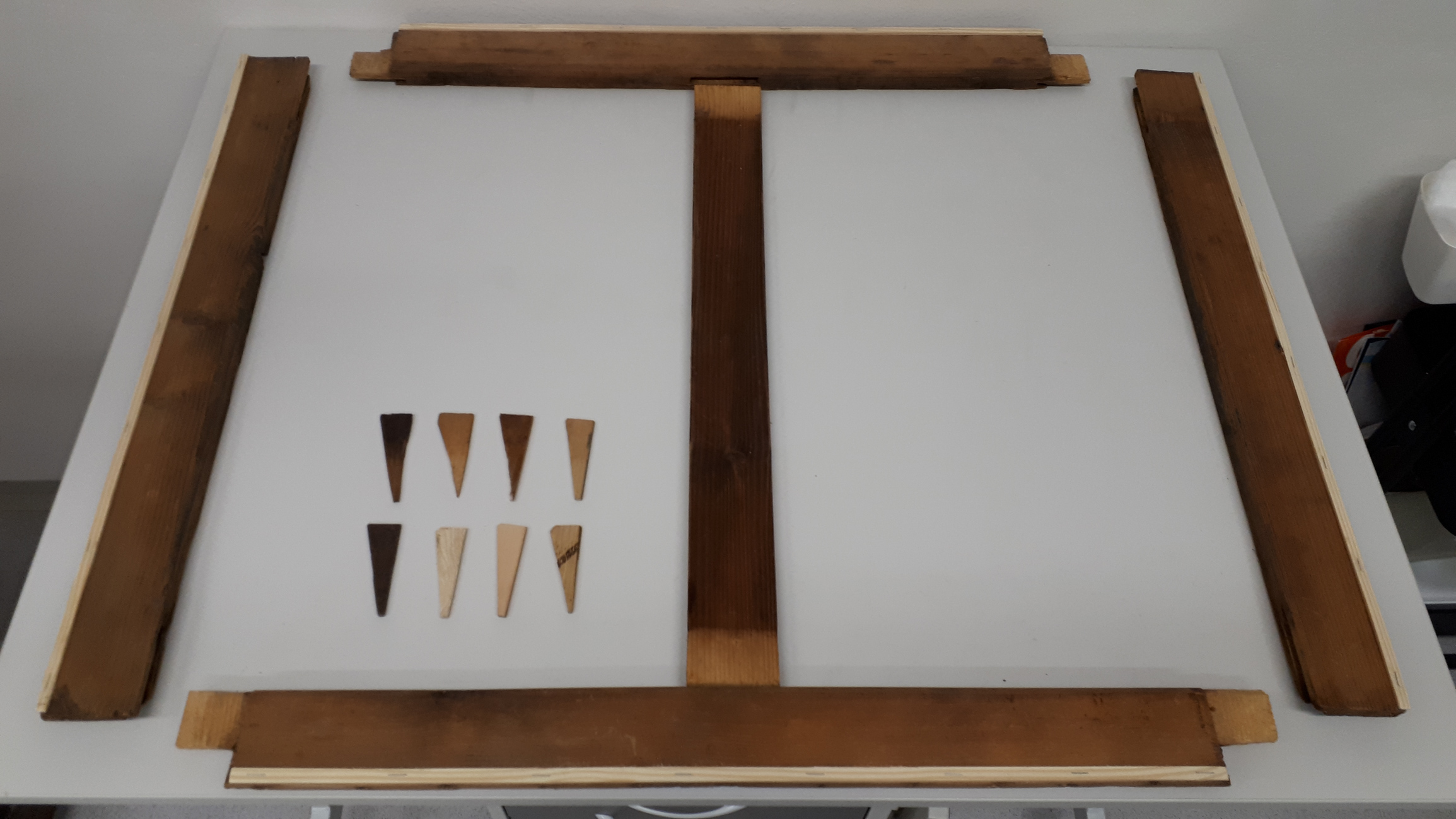
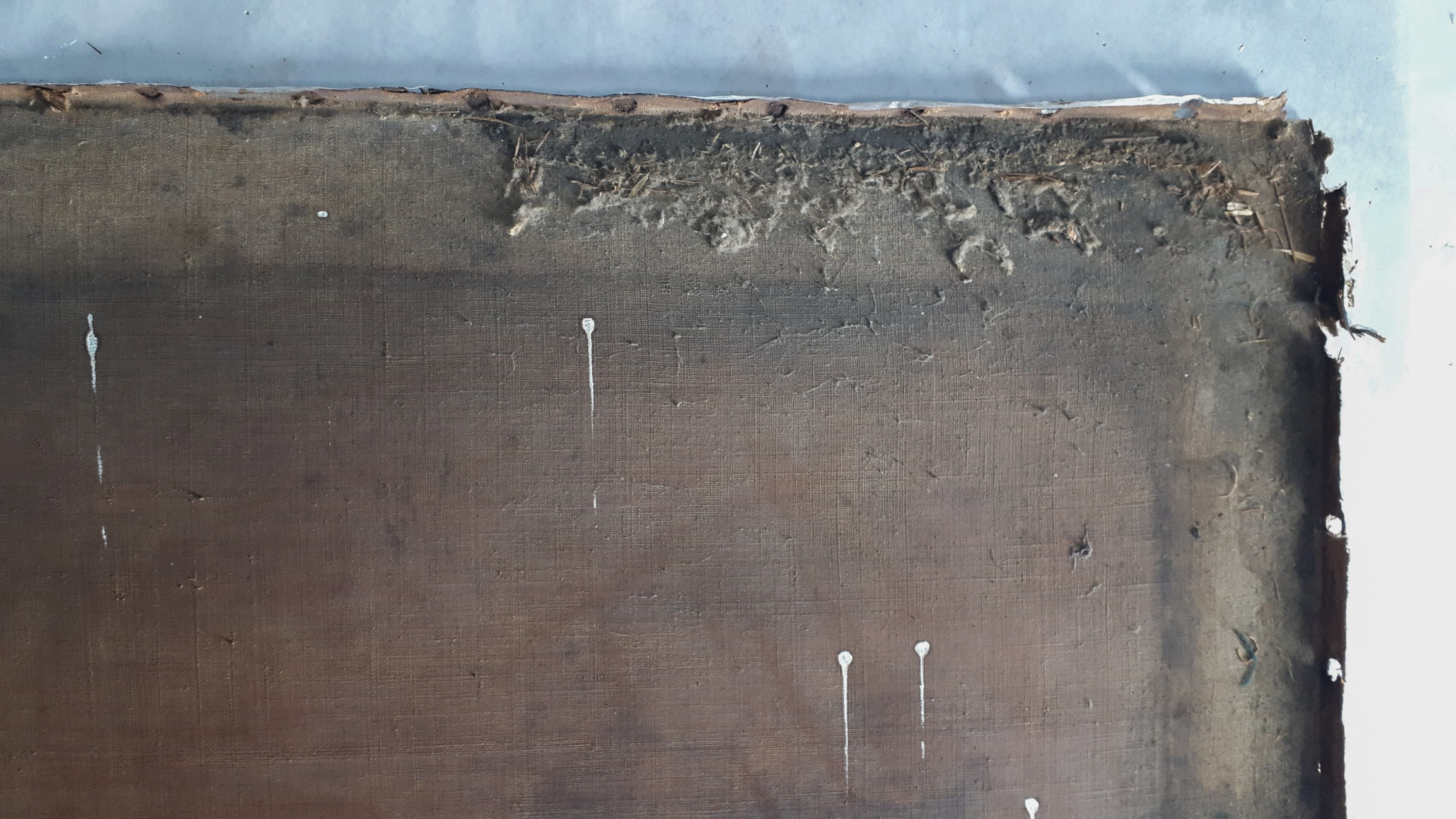
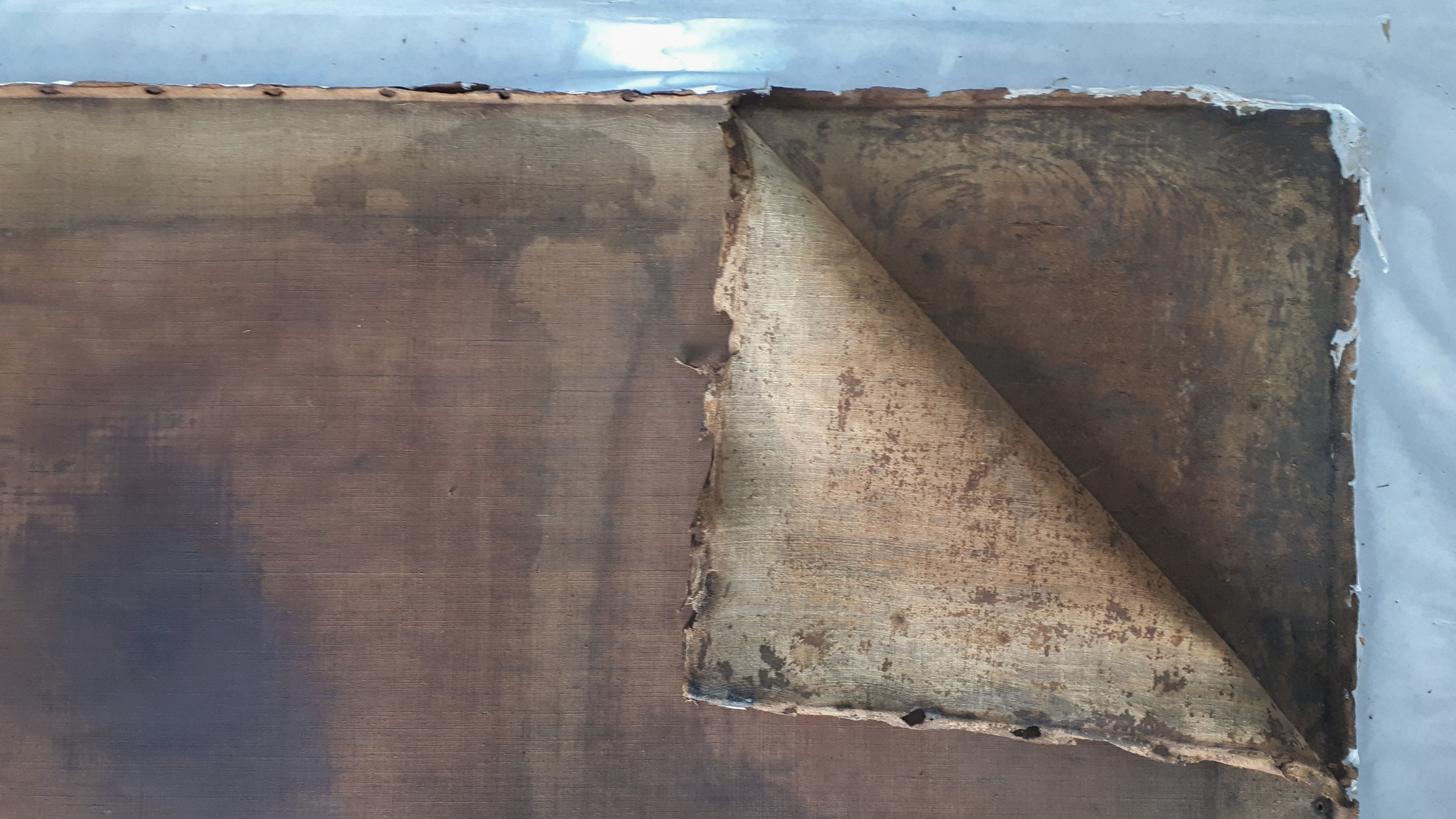
Rubová strana plátna byla v minulosti zpevněna, pravděpodobně pomocí voskovo-pryskyřičného lepidla. Podél okrajů plátno překrývá degradovaná papírová lepicí páska, která odhaluje oddělování původní tkaniny od zpevňující vrstvy. Původní plátno je křehké a fragilní, místy chybí, je popraskané nebo uvolněné. Obraz je napnut na obdélníkovém napínacím rámu s klínky. Rubová strana je pokryta silnou vrstvou povrchových nečistot.
V horní části obrazu jsou patrné skvrny a kapky vosku, zatímco ve spodní části se nacházejí stopy po bílém nátěru. Dekorativní rám je novějšího data; jeho sejmutí odhaluje výrazné deformace napínacího rámu.
Vrstva malby vykazuje praskliny a místy je uvolněná, s drobnými ztrátami malby. Při UV osvětlení jsou pod degradovaným a zažloutlým lakem patrné lokální retuše, které pozměňují původní barevné podání. Podél okrajů obrazu, které byly dříve zakryty dekorativním rámem, se nachází méně vrstev laku, což se projevuje výraznou namodralou fluorescencí pod UV světlem.
Na povrchu jsou dále patrné skvrny, mušincové tečky a další usazené nečistoty. Obě strany obrazu jsou pokryty vrstvou povrchových nečistot.
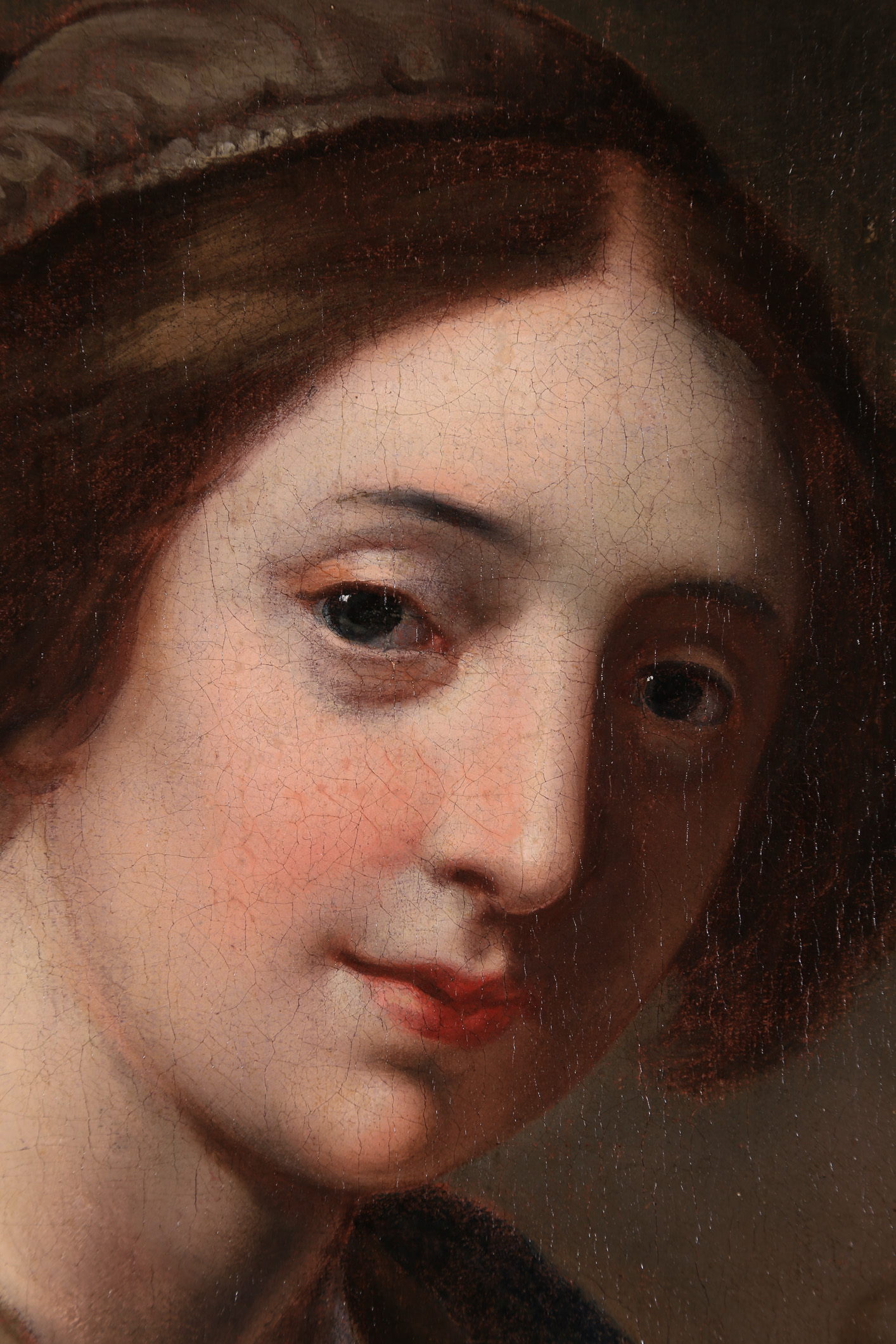
Stav díla po restaurování
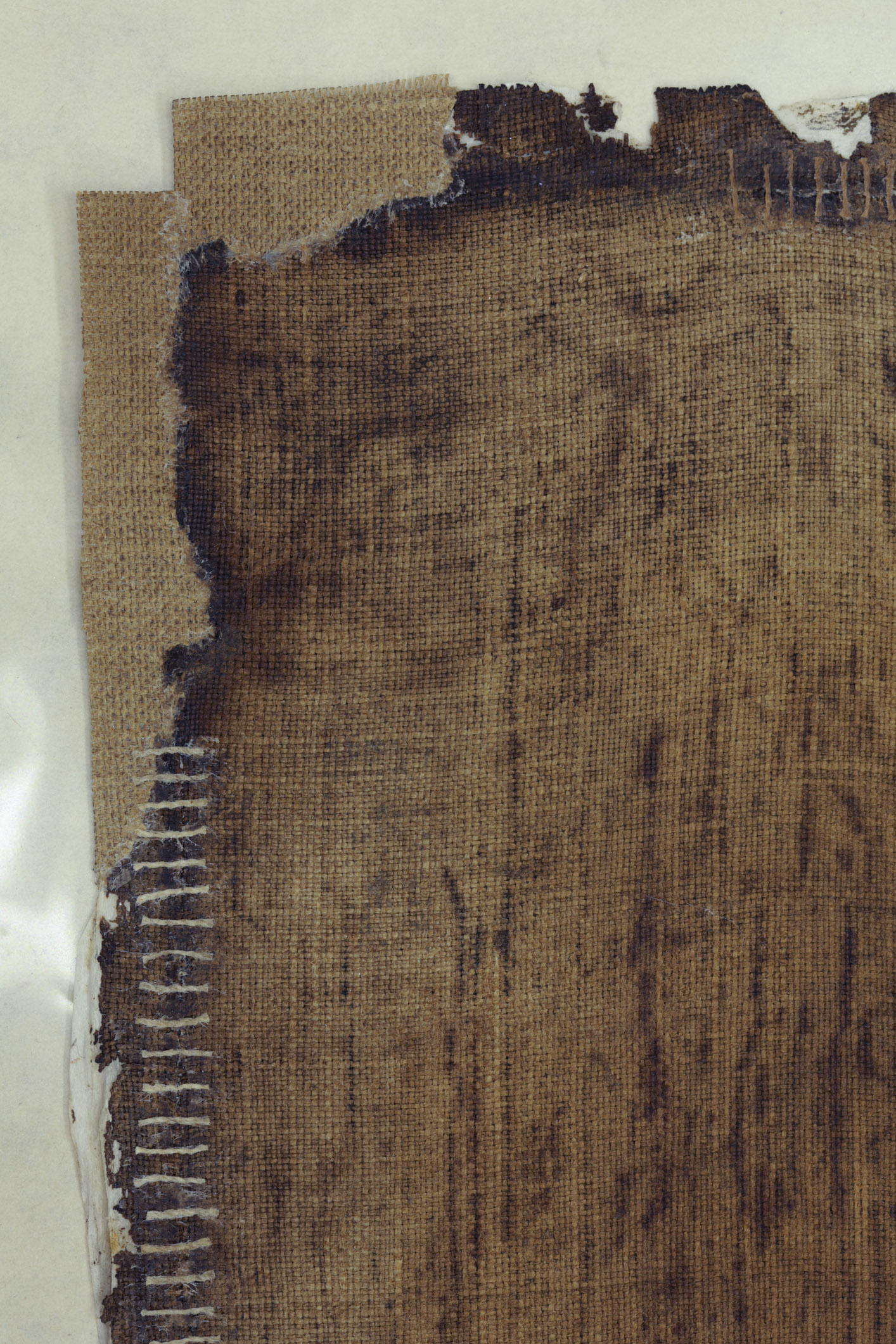
The reverse showed significant surface dirt, and the old lining canvas was found to be detaching at the edges and no longer serving its purpose. It was therefore removed and replaced. Tears in the support were mended and missing sections of canvas replaced using artificially aged linen matching the weave and density of the original, secured with an adhesive powder. The reinforced areas were further secured with patches of natural silk. The reverse was then prepared and impregnated with a synthetic conservation adhesive. A new lining canvas, pre-washed and pressed, was prepared and the painting was consolidated and lined using a vacuum hot table.
Solubility tests were carried out to determine the appropriate solvent mixture for the degraded varnish layers, and the varnish was progressively thinned. At least two varnish layers with differing fluorescence were identified. Beneath the upper, yellowed varnish, a second layer with a bluish fluorescence and waxy content was revealed. This layer had previously been selectively tinted to visually unify old overpaint in the corners with the original blue drapery, giving the drapery an unintended greenish tone.
Examination revealed that the painting, though mounted on a rectangular stretcher, had originally been conceived and painted as an oval composition, with the corners beyond the painted area, historically concealed beneath a decorative frame. At a later date, the work was fitted with a different, rectangular decorative frame, and the corners, originally left at the ground layer only, were overpainted. An architectural niche was added framing the Madonna and Child above, and blue drapery and background were added below. The whole painting was then coated with a tinted varnish for visual unification. However, as this varnish layer was found to compromise the original colour and visual effect, it was removed or locally thinned. The overpaint in the upper corners was nonetheless retained, in order to avoid a significant change to the painting’s current appearance, given its present rectangular frame.
Following varnish thinning and removal of unsuitable overpaint and retouching, the painting was isolated with a varnish layer. Losses in the paint layer were filled with a chalk-glue putty and locally isolated. The painting was then re-stretched onto a cleaned and adjusted stretcher fitted with spacer strips. Retouching was carried out in watercolour, followed by a further isolating layer and final retouching in reversible resin colours. A final varnish layer was applied by spray, in two coats.
The decorative frame was cleaned of surface dirt and dust. A protective velvet strip was applied to the frame’s rabbet, and the painting was fitted into the frame.