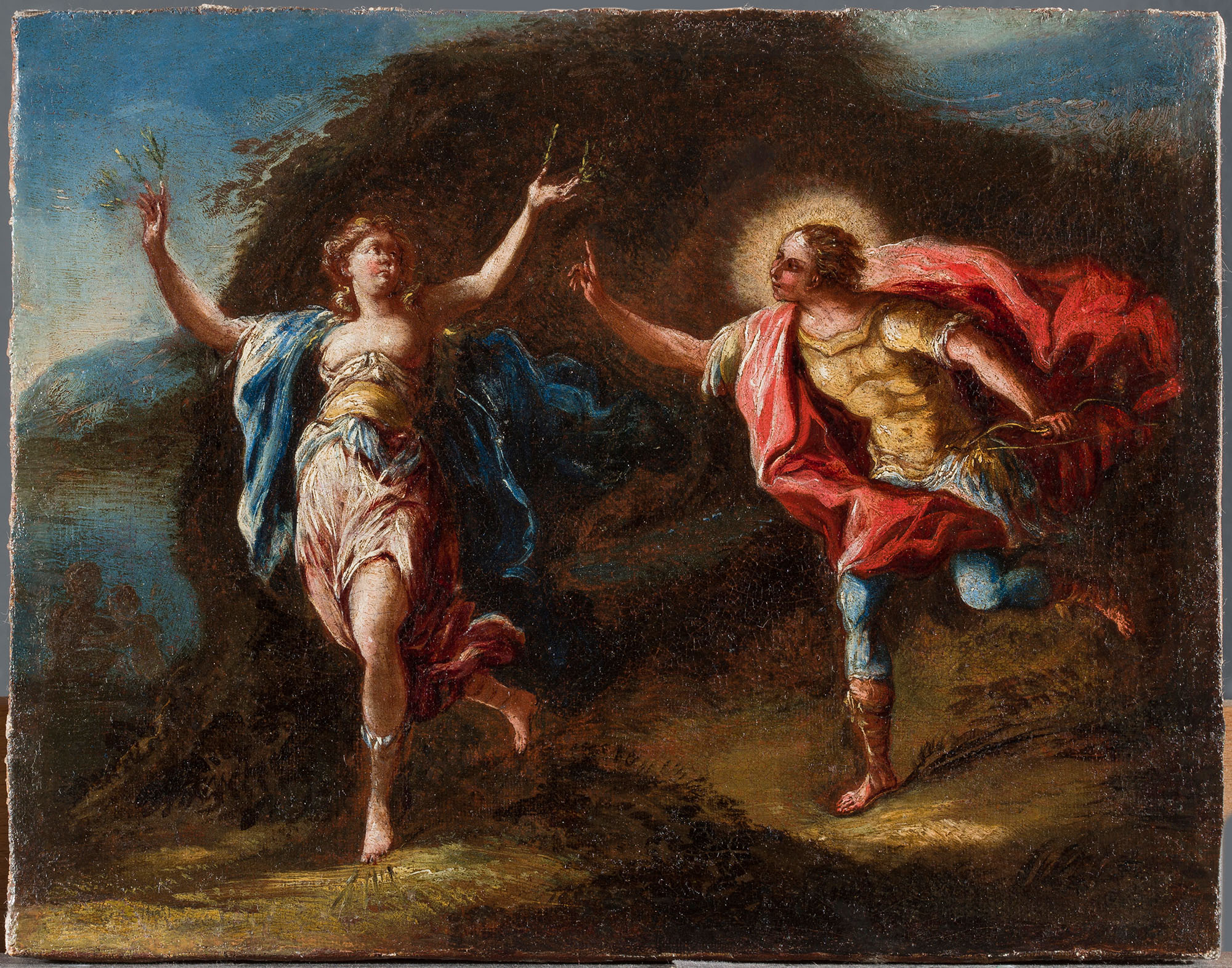
Unknown artist

Technique: Oil painting on canvas
Dimensions: 21 cm x 27 cm
Date: unknown
Condition of the Artwork Before Restoration
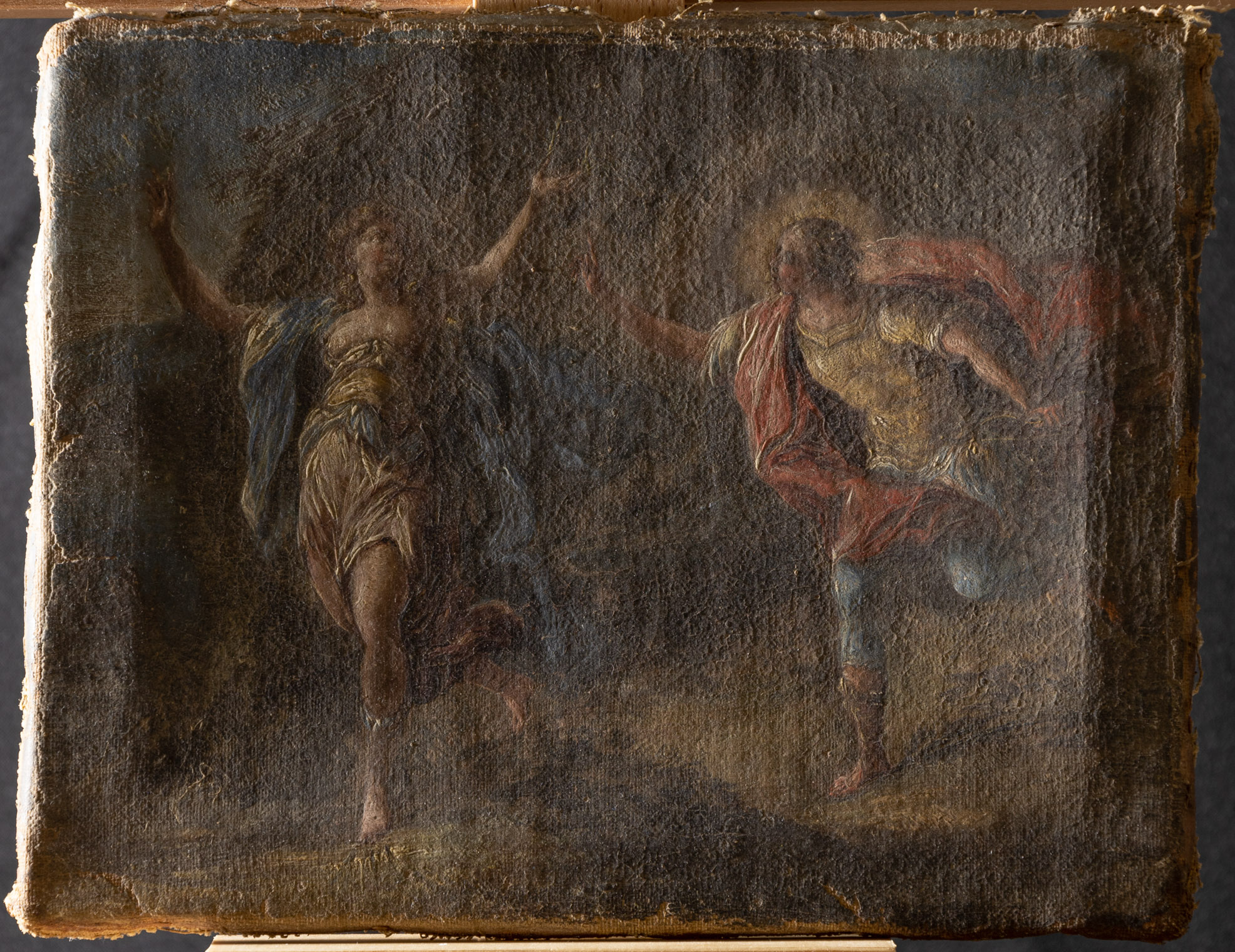
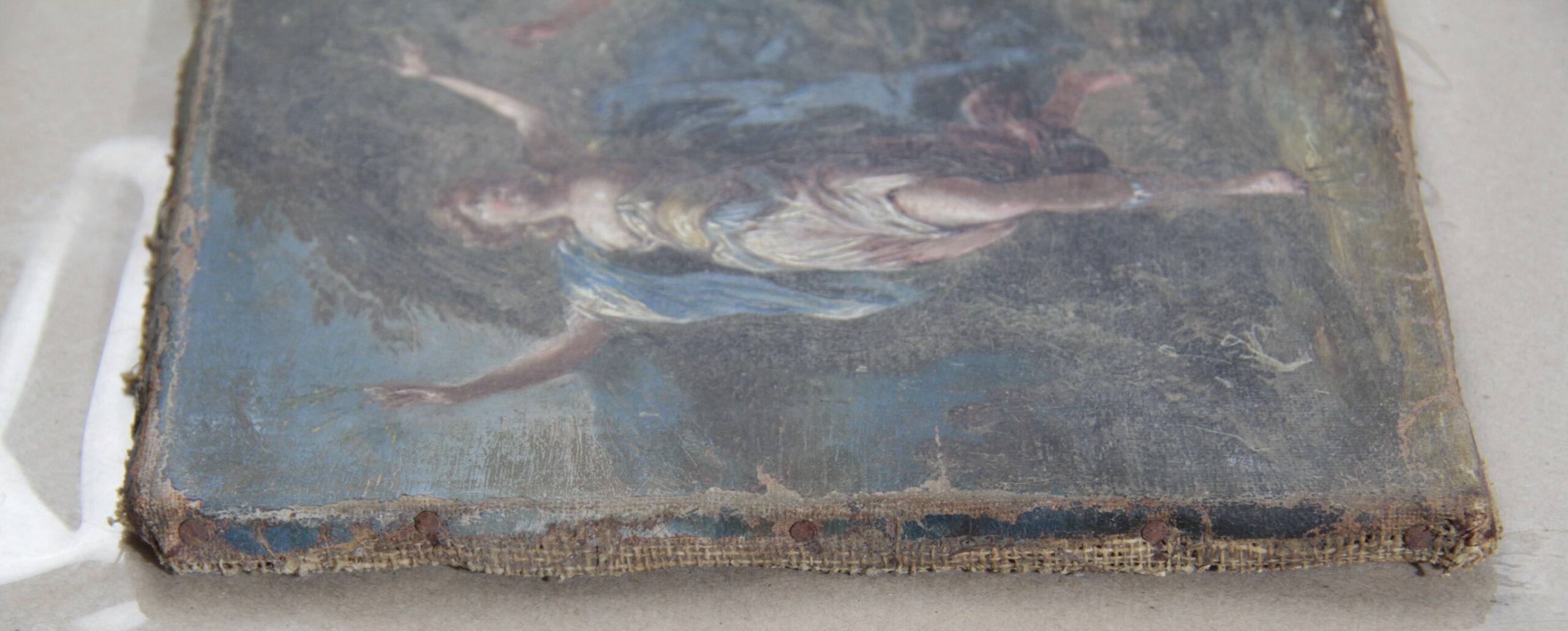
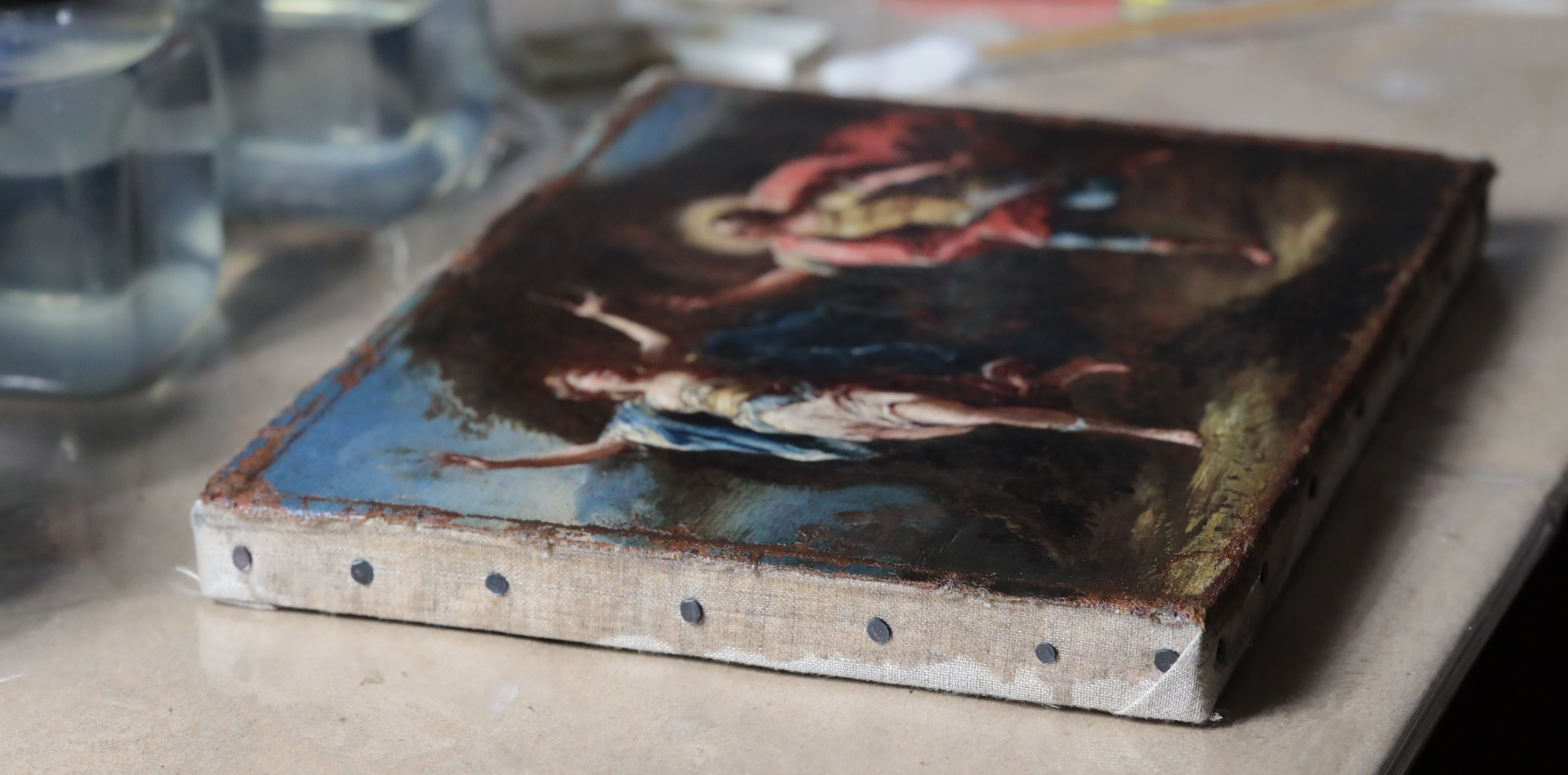
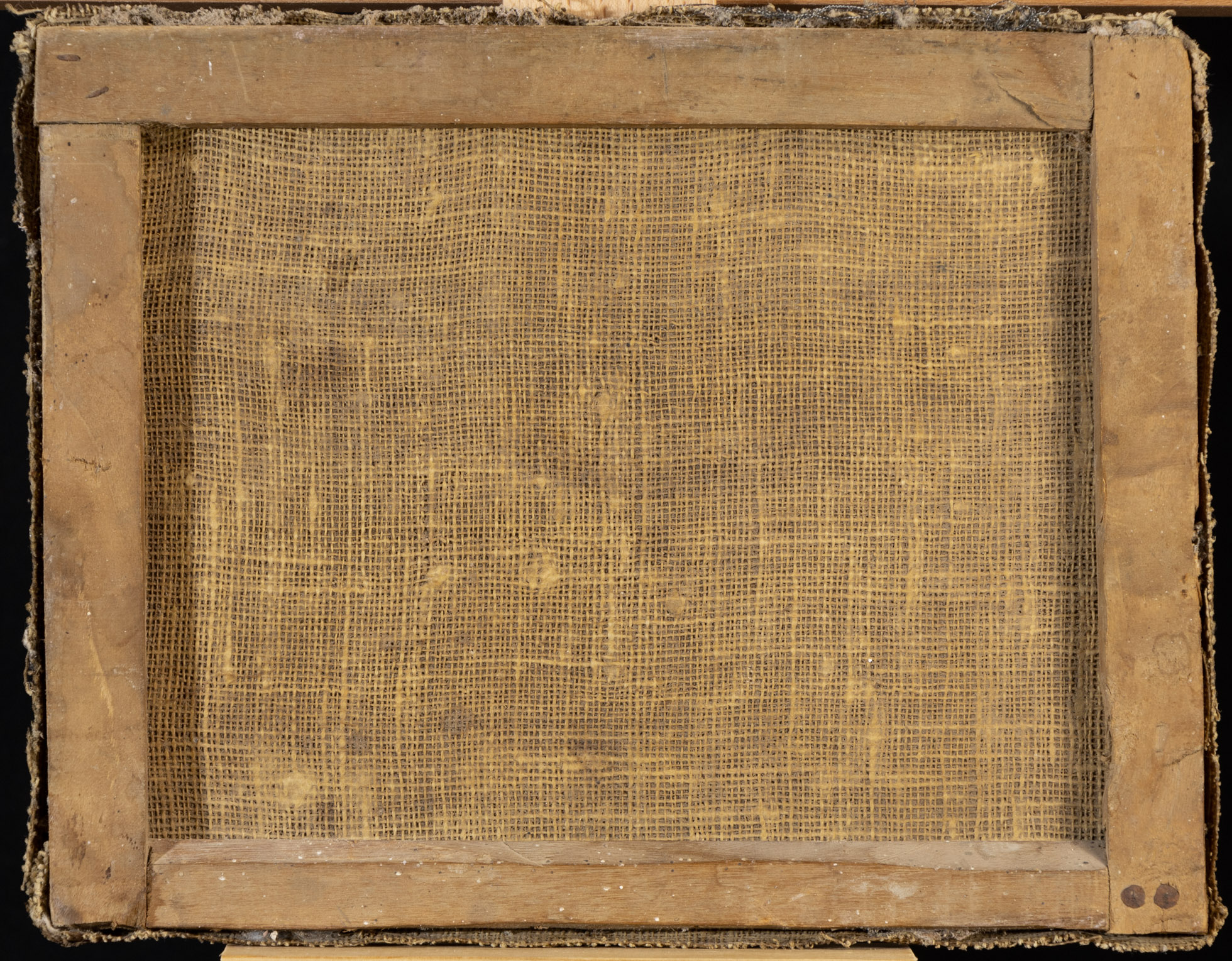
The original painting’s delicate canvas support appears to have been trimmed, with the canvas folded over the stretcher frame along the left, upper, and right edges. The painting was subsequently relined onto a coarse secondary canvas using a glue-starch adhesive. The original canvas is concave and exhibits significant deformation.
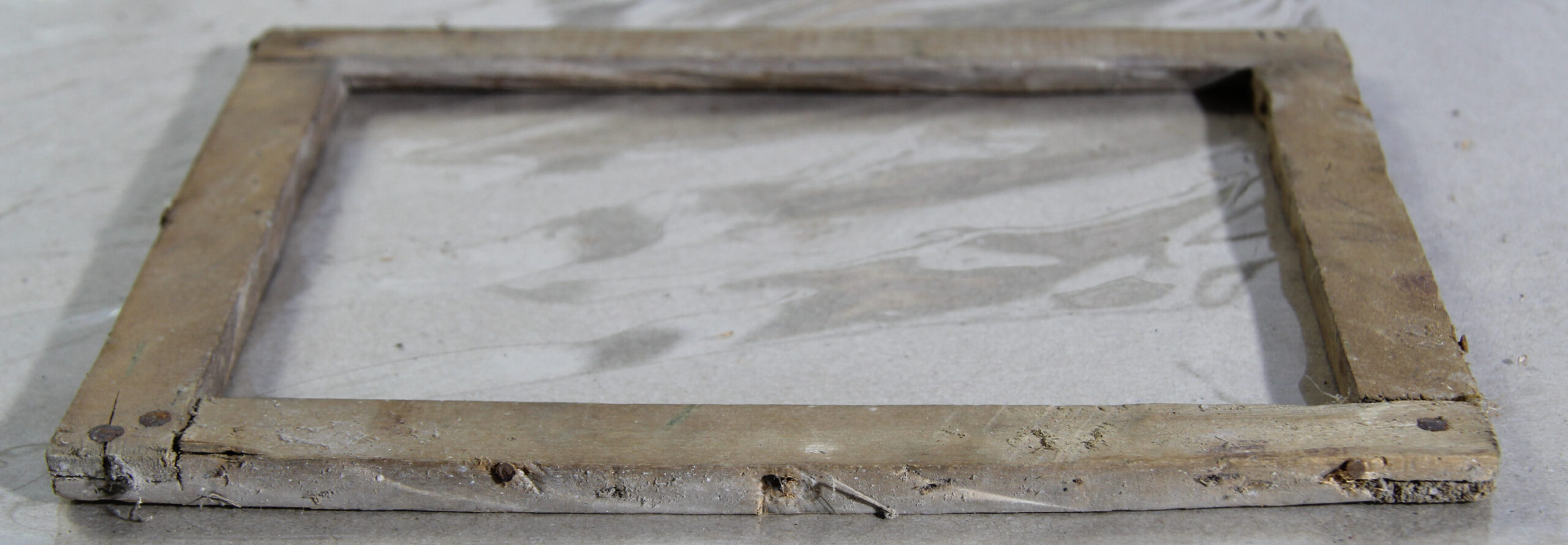
The stretcher frame is constructed from very narrow, unevenly beveled strips, rigidly joined without spacing and with no provision for expansion through wedges. The nails securing the canvas to the stretcher are rusted and inappropriate for conservation purposes.
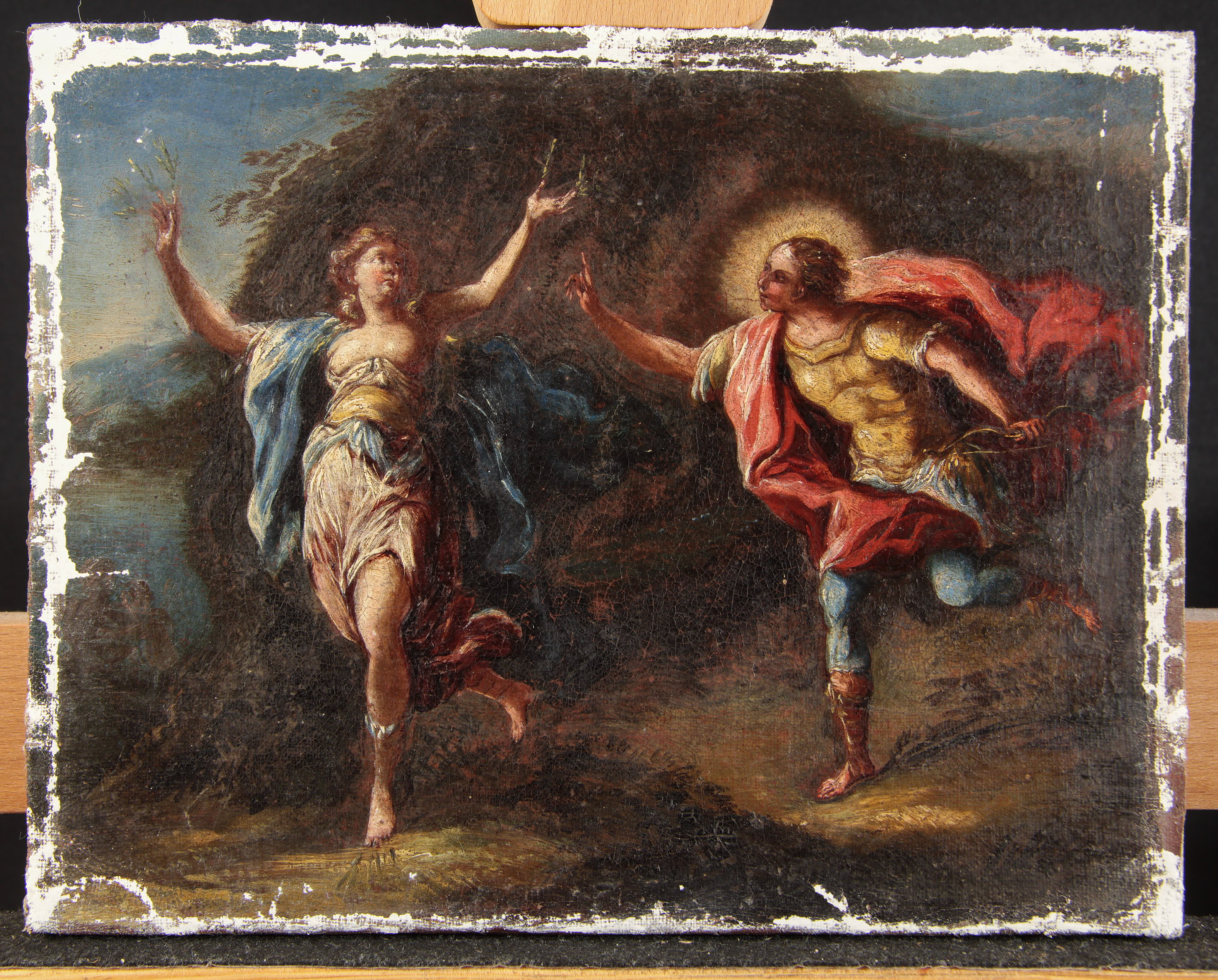
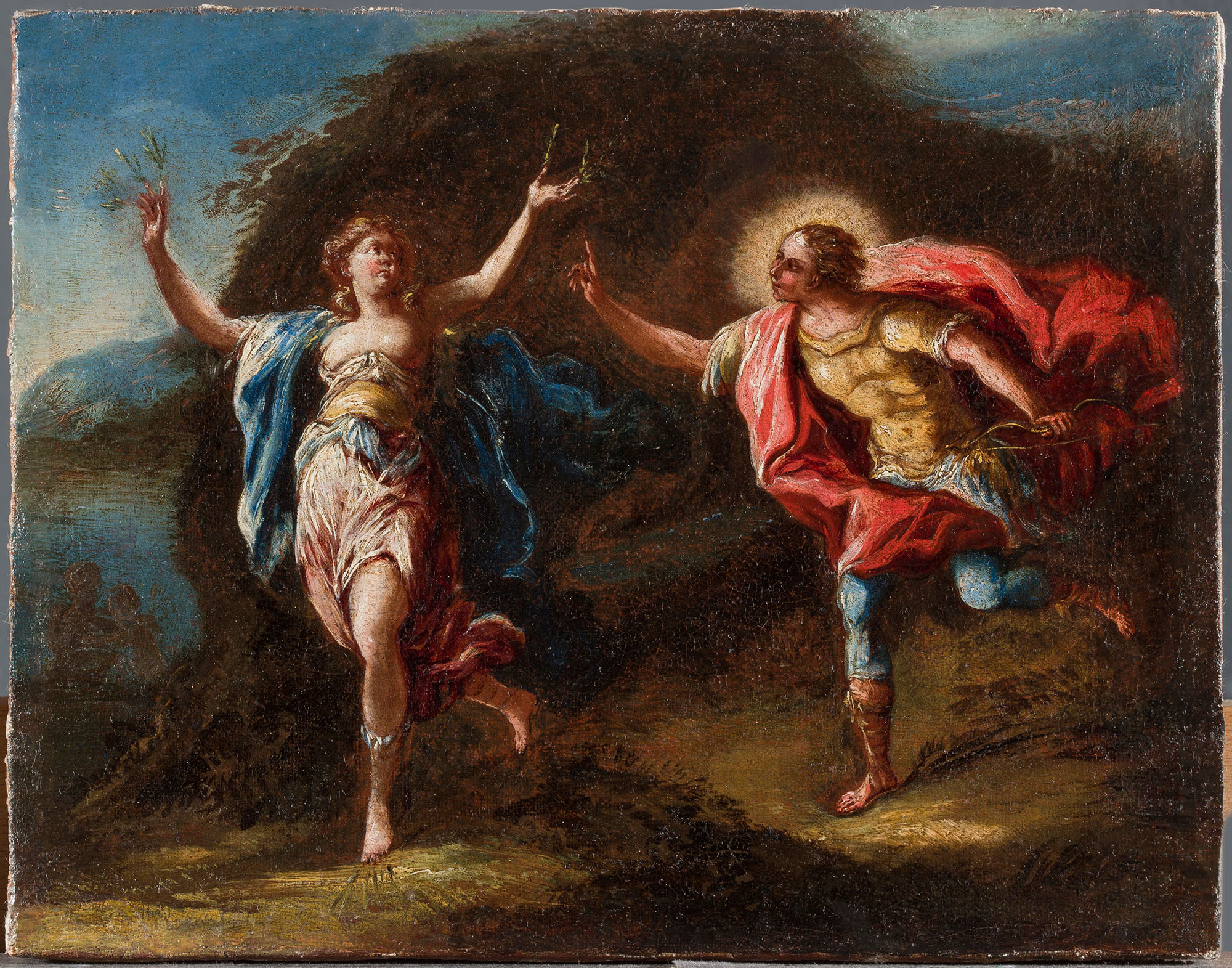
The paint layer exhibits abrasion and craquelure but remains generally stable. Areas of paint loss extending down to the canvas are visible, particularly along the edges. Localized retouching and overpainting are also evident.
The surface is covered with degraded varnish layers and a heavy accumulation of surface dirt.
Condition of the Artwork After Restoration
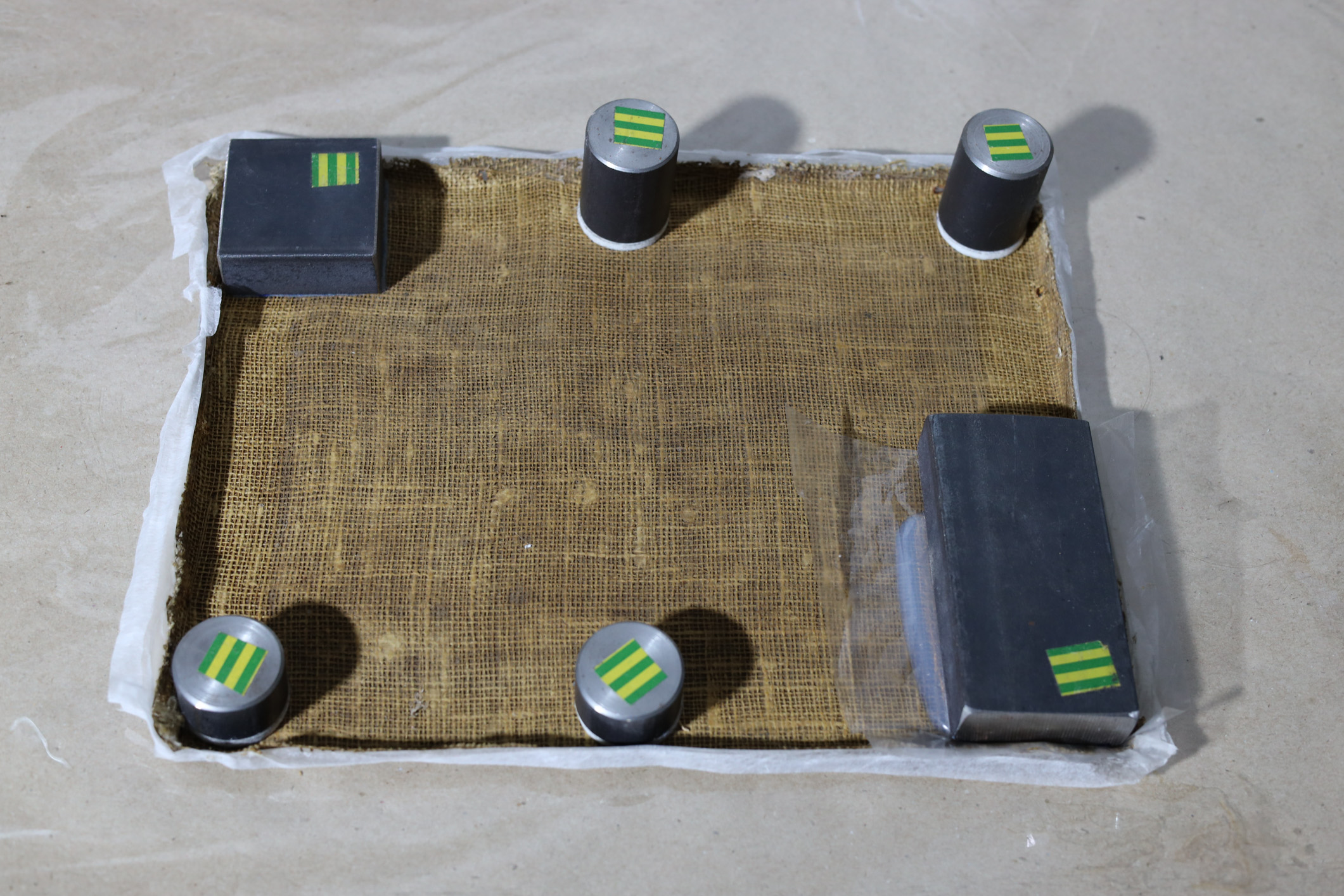
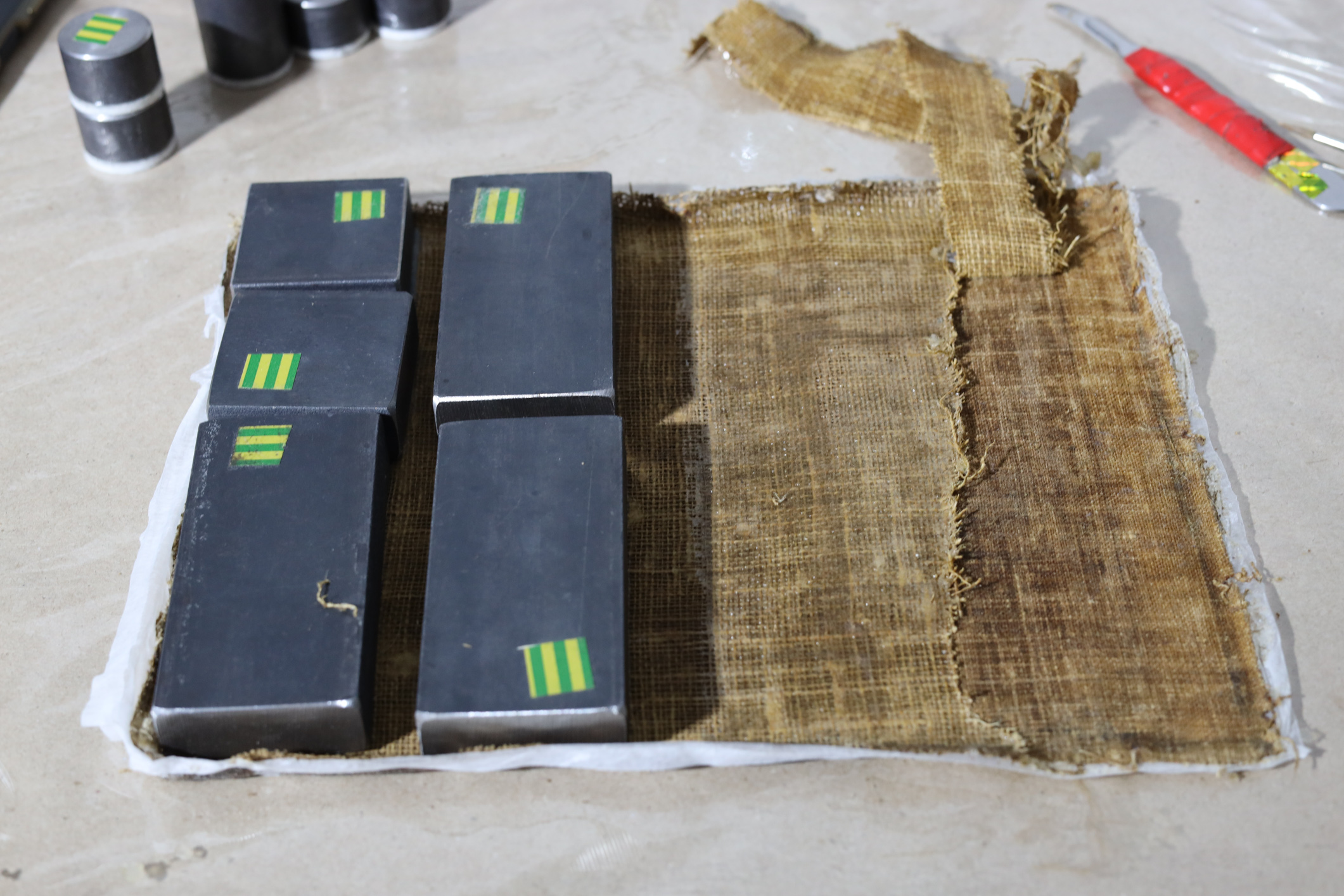
The treatment began with primary consolidation of the fragile paint layers and the application of a temporary facing utilizing japanese paper, allowing the painting to be safely removed from the inappropriate non-original strainer. The secondary lining canvas, which had become fragile and was no longer adequately supporting the original canvas, was gradually removed using rigid gels and controlled softening of the glue-starch adhesive.
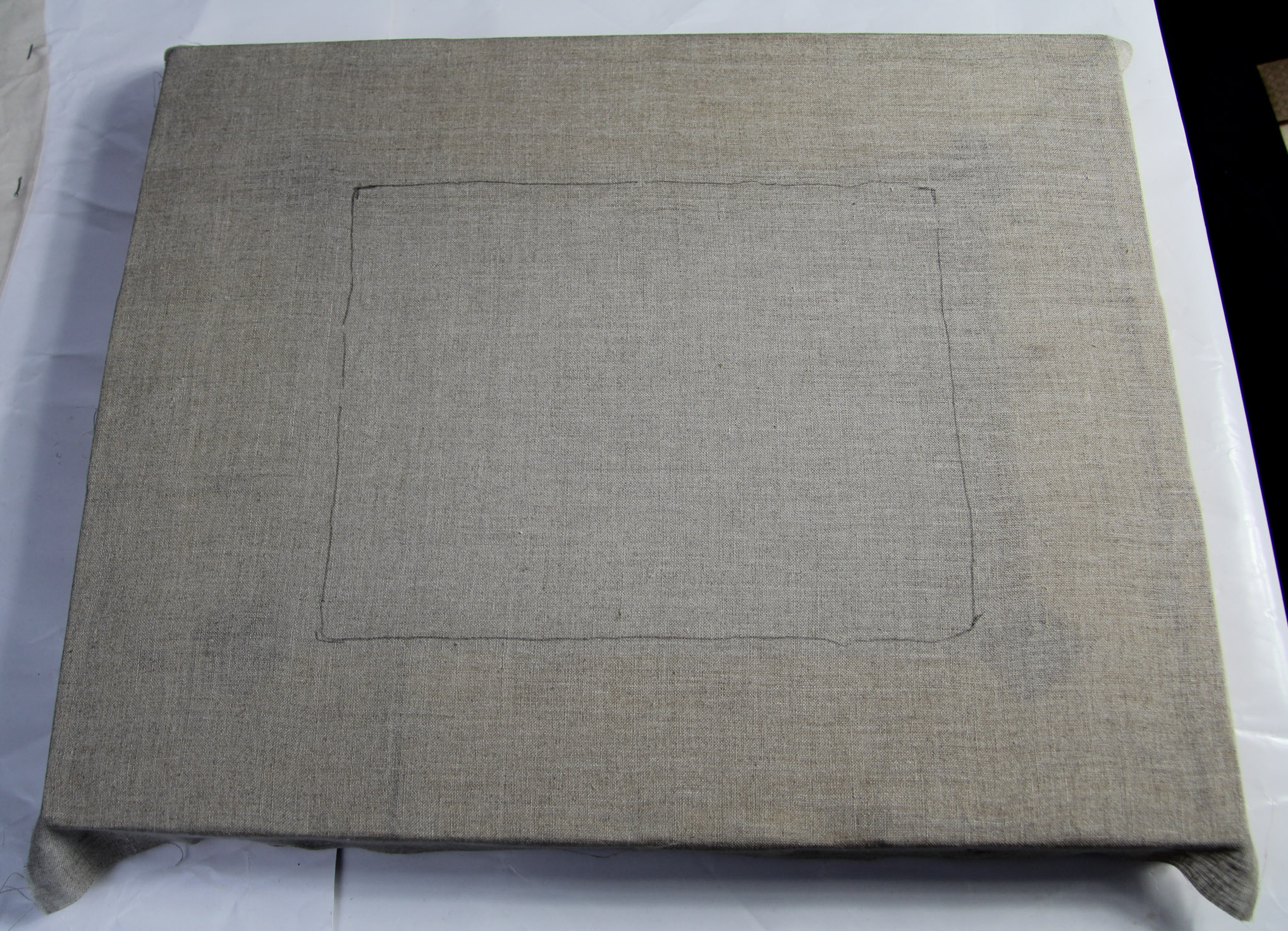
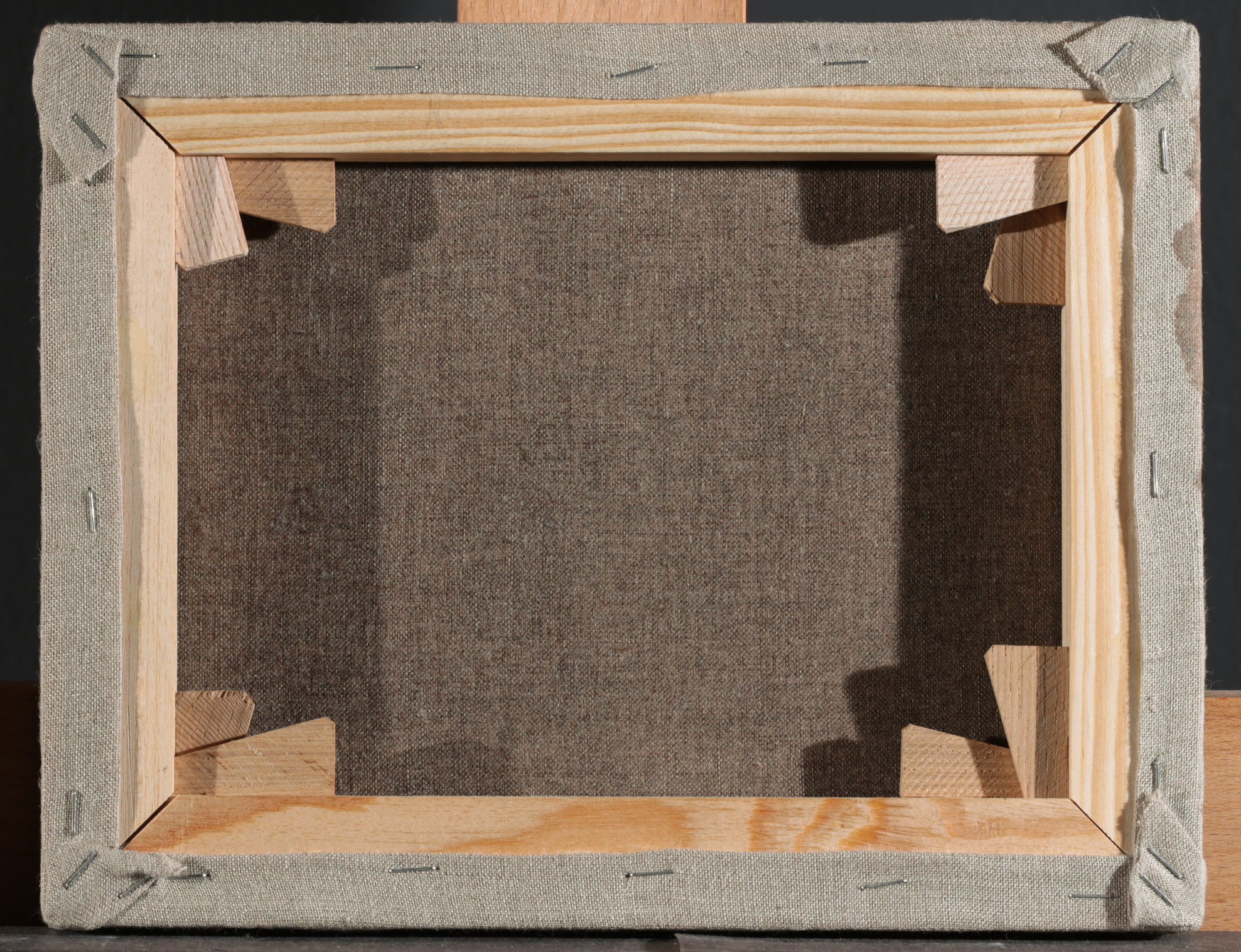
The painting was then relined onto a new canvas of an appropriate weave and grain, providing renewed structural support while preserving the original canvas. Following removal of the facing, the surface was carefully cleaned of accumulated dust, dirt, and ingrained grime.
At the client’s request, a new stretcher was constructed with slightly larger dimensions. This allowed the previously folded canvas margins around the edges to be incorporated into the frontal view, increasing the visible dimensions of the painting by approximately 1 cm on each side.
The treatment was completed with localized retouching of the areas of loss and abrasion, followed by the application of a final protective varnish.